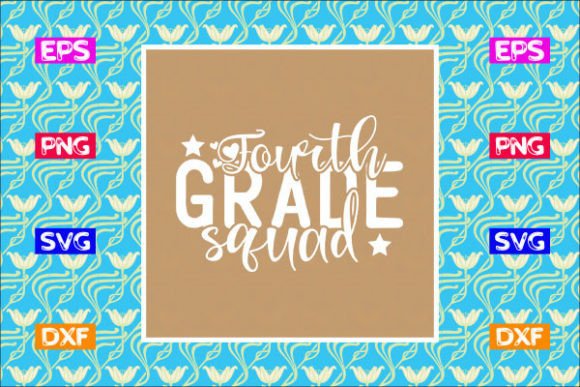
Review: School Svg Design, Fourth Grade Squad
As a designer who has spent countless hours digitizing and stitching out thousands of patterns, I have learned that not every graphic translates well to thread. When I first pulled up the School Svg Design, Fourth Grade Squad, my initial reaction was one of cautious optimism. The theme is evergreen; back-to-school merchandise is a staple for any craft business, and fourth grade is a specific niche that parents love to celebrate. But the real question is always execution. Does this design hold up under the needle, or is it just another pretty picture that falls apart in production?
I decided to put this file through its paces, treating it not just as a digital asset but as a component of a real-world product. My goal was to determine if this design belongs in your active library for commercial embroidery projects or if it should remain a passive download.
First Impressions and Visual Personality
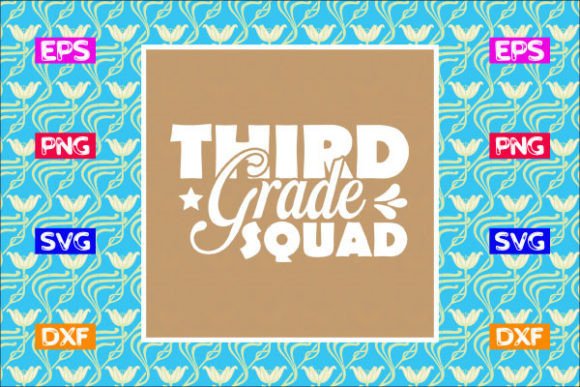
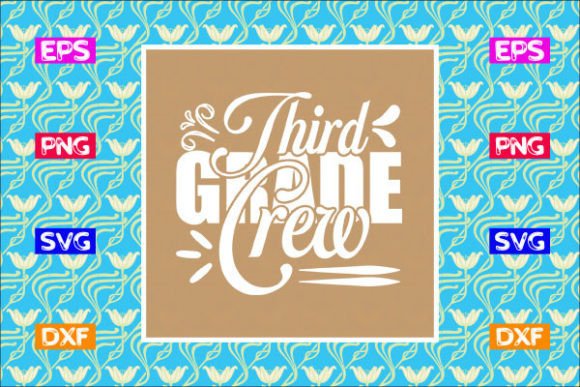
The layout of the School Svg Design, Fourth Grade Squad strikes a balance between playful and structured. It avoids the chaotic clutter often found in lower-quality school-themed graphics. The typography appears bold enough to maintain legibility, which is critical when we are talking about stitch clarity. In the world of machine embroidery design, fine lines and intricate serifs are enemies of efficiency. This design seems to respect the limitations of the medium, favoring shapes that will fill cleanly without excessive jump stitches or thread breaks.
The mood is celebratory yet professional. It does not scream "childish" in a way that limits its appeal to toddlers; instead, it feels appropriate for nine and ten-year-olds who are starting to see themselves as young adults. This subtle distinction matters immensely when you are creating handmade products for a demographic that is transitioning out of early childhood. For an Etsy seller or small shop owner, this nuance can be the difference between a sale and a scroll-past.
Real-World Application: The Sweatshirt Test
To truly evaluate the design, I simulated a common scenario: creating a custom apparel piece for a local parent group. I chose a mid-weight cotton blend sweatshirt, a popular choice for fall back-to-school photos. The plan was to place the design on the left chest area, a standard location for squad or team identifiers.
Working with the provided files, I imported the SVG into my digitizing software to inspect the pathing. Since the product description lists EPS, SVG, PNG, and DXF files, it is clear this is primarily a graphic asset intended for cutting machines or manual digitizing, rather than a pre-digitized embroidery file. This is a crucial distinction for embroidery designers. You cannot simply load an SVG into an embroidery machine. You must digitize it.
During the digitizing process, I focused on converting the text elements into satin stitch columns where appropriate, ensuring the width was sufficient to cover the fabric texture. For larger filled areas, I utilized a fill stitch with a slight underlay to prevent puckering. The result was promising. The design scaled well to a 4x4 hoop size, which is ideal for chest logos. If you are planning to use this for a tote bag design or a larger pillow cover, you will need to scale it up, but be mindful of stitch density. Simply enlarging a design without adjusting density can lead to a stiff, cardboard-like finish.
Fabric Considerations and Stitching Challenges
One of the most important aspects of using any new design asset is understanding how it interacts with different materials. I tested the digitized version of the School Svg Design, Fourth Grade Squad on three different fabrics: a smooth quilting cotton, a textured terry cloth towel, and a stretchy performance polyester.
On the smooth cotton, the results were crisp. The thread colors popped, and the edges were clean. However, on the terry cloth, I noticed that some of the finer details got lost in the pile. This is a common issue with school-themed graphics that rely on thin outlines. If you are creating holiday embroidery items like kitchen towels, consider using an applique design technique. By placing a piece of contrasting fabric behind the design and stitching around the edges, you can eliminate the need for dense fill stitches and ensure the design remains visible against the textured background.
The stretchy polyester presented another challenge. Without a proper cut-away stabilizer, the design began to warp slightly after washing. This reinforces the need for thorough testing. Always test the design on scrap fabric first. Check thread color contrast, review stitch density, and confirm hoop size before committing to a final product. This is especially true for baby embroidery items, where comfort and durability are paramount.
Commercial Viability and Brand Consistency
For those running a craft business, consistency is key. The School Svg Design, Fourth Grade Squad fits well within a broader collection of grade-specific designs. If you are an Etsy seller, having a cohesive look across your listings builds buyer trust. This design offers a clean aesthetic that pairs well with other minimalist school graphics. It allows for easy customization, such as adding a student’s name below the main graphic using a complementary font.
When creating printable mockups or digital product previews, the clarity of the original SVG ensures that your marketing images look professional. High-resolution assets are essential for attracting customers who value quality. A pixelated preview can deter potential buyers, so leveraging the vector nature of the EPS and SVG files is vital for creating sharp, scalable promotional materials.
Practical Designer Notes
Before you integrate this design into your workflow, keep these practical tips in mind:
- Digitize with Care: Since this is a graphic file, you must digitize it for embroidery. Pay attention to stitch direction to enhance the visual appeal of the letters.
- Check Licensing: Confirm licensing terms before selling finished items. While many SVGs allow commercial use for physical products, restrictions may apply to digital resale.
- Stabilizer Selection: Use a tear-away stabilizer for stable woven fabrics and a cut-away for knits and stretchy materials to maintain shape.
- Thread Choice: Matte threads often look more professional on school apparel than high-sheen rayon, giving a softer, more modern look.
- Scale Appropriately: Ensure the design fits your intended hoop size without overcrowding. Leave at least one inch of margin from the edge of the hoop.
In conclusion, the School Svg Design, Fourth Grade Squad is a solid addition to your design assets library, provided you approach it with the right technical mindset. It is not a plug-and-play embroidery file, but a versatile graphic that rewards careful digitizing. For experienced designers and serious hobbyists, it offers the flexibility to create high-value personalized gifts and custom apparel. By respecting the limitations of fabric and thread, you can transform this digital graphic into a tangible, profitable finished product that customers will cherish.