Reviewing the Last Day of School SVG for Embroidery
As a designer who has spent countless hours digitizing and stitching out files for clients, I approach every new Last Day of School SVG Graphic Design with a critical eye. We often see these files marketed broadly for printing on mugs or wall art, but my focus is strictly on how they translate to thread. Can this graphic hold up under the needle? Will it look professional on a finished product, or will it bunch up and distort? Today, I am breaking down this specific design from the perspective of real-world application, moving beyond the digital preview to the tactile reality of embroidery.
First Impressions: Mood and Layout
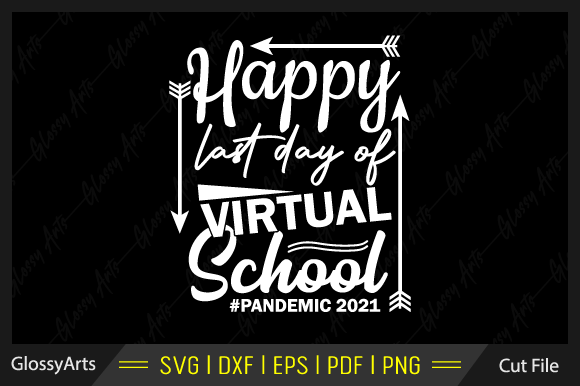
The immediate appeal of this Last Day of School SVG Graphic Design lies in its celebratory yet nostalgic mood. It captures that specific end-of-year energy—relief, excitement, and a touch of sentimentality. Visually, the layout appears balanced, which is crucial for embroidery. When we convert a vector graphic into a machine embroidery design, complex overlapping lines can become a nightmare of thread breaks and bird nests. This design, however, seems to favor clean shapes and distinct elements, suggesting it would digitize well into a combination of satin stitch borders and fill stitch backgrounds.
The visual personality is versatile. It does not scream "cheap souvenir." Instead, it feels like a genuine keepsake. For an Etsy seller or a small shop product creator, this distinction is vital. Customers are increasingly discerning; they want items that look handmade with care, not mass-produced clutter. The clarity of the lines in the SVG suggests that with proper digitizing, the final stitched result will have high definition, avoiding the muddy look that plagues poorly converted graphics.
Real-World Application: The Custom Sweatshirt Test
To truly evaluate this design, I imagine applying it to a popular seasonal item: a custom graduation or end-of-year sweatshirt. This is a high-demand category for craft business owners in late spring. Imagine a heather grey hoodie, soft and substantial. Placing this Last Day of School SVG Graphic Design on the left chest or as a larger back piece requires careful consideration of scale.
If used as a chest logo, the design needs to retain its legibility without becoming a dense block of thread. A running stitch outline might be too fragile for a garment that will be washed repeatedly, so a narrow satin column would provide durability. If scaled up for the back, the design offers a great canvas for creative thread choices. You could use variegated threads to add depth to the letters or shapes, turning a simple digital embroidery file into a textured piece of art. The reaction from a parent receiving this as a personalized gift for their child would likely be one of delight, specifically because the embroidery adds a premium tactile quality that a printed vinyl decal simply cannot match.
Beyond Apparel: Totes and Home Decor
The versatility of this graphic extends beyond clothing. Consider a canvas tote bag design. Canvas is a stable fabric, making it ideal for beginners who might be nervous about stitching on stretchy materials. Here, the Last Day of School SVG Graphic Design can be stitched at a larger size with heavier thread weights, such as rayon or polyester 40-weight, to create a bold statement piece. It transforms a standard utility bag into a commemorative item for teachers or students.
For home decor, think of a pillow cover or a framed hoop art piece. In these static applications, you have more freedom to experiment with decorative stitches. You might add French knots or lazy daisies around the perimeter of the design to enhance its handmade charm. This approach elevates the finished product from a simple craft to a boutique-quality item suitable for holiday gifts or teacher appreciation weeks.
Technical Challenges and Fabric Considerations
While the design is promising, it is not without its pitfalls. Embroidery is unforgiving of poor preparation. One major concern with any SVG-to-embroidery conversion is stitch density. If the original graphic has large solid areas, a naive digitization might fill them completely, resulting in a stiff, cardboard-like patch on the fabric. This is particularly problematic on stretchy fabric like jersey knits or lightweight onesies. For baby items, comfort is paramount. I would recommend using an applique design technique for larger sections of this graphic. By cutting away the bulk of the fabric and covering the edges with satin stitch, you reduce the thread count and keep the garment soft against a child’s skin.
Another critical factor is the hoop size. Before purchasing or downloading, you must confirm that the design fits your machine’s maximum hoop area. Trying to shrink a large design to fit a small hoop will compress the stitches, leading to puckering and potential needle breaks. Conversely, enlarging a small design too much will expose the underlying fabric between stitches, ruining the visual appeal. Always check the dimensions provided in the design assets package.
Dark fabrics present another challenge. If you are stitching this on a navy blue or black sweatshirt, you must ensure your thread colors have sufficient contrast. A light-colored design on dark fabric requires a proper underlay to prevent the background color from showing through the top stitches. This is where testing on scrap fabric becomes non-negotiable. Never stitch directly on your final garment without a test run.
Enhancing Value and Brand Consistency
For the commercial embroidery professional, consistency is key. Using a well-structured Last Day of School SVG Graphic Design allows you to create a cohesive collection. You can offer this design on multiple products—caps, aprons, towels—creating a unified brand aesthetic. This consistency builds customer trust. When a buyer sees that your stitching is clean, your tension is perfect, and your design choices are thoughtful, they are more likely to return for future custom apparel needs.
The perceived value of an embroidered item is significantly higher than a printed one. The texture, the sheen of the thread, and the slight raise of the stitches convey quality. By choosing a design that lends itself well to these tactile qualities, you are investing in your brand’s reputation. A messy, poorly digitized version of this SVG would detract from that value, but a carefully executed stitch-out enhances it.
Practical Designer Notes for Success
Before you load this file into your machine, take a moment to review these practical steps. First, always inspect the digitized file in your software. Look for unnecessary jump stitches or overly dense areas that can be thinned out. Second, select the right stabilizer. For knit fabrics, a cut-away stabilizer is essential to support the stitches during wear and washing. For woven fabrics like tote bags, a tear-away may suffice, but hooping stability is still crucial.
Third, consider the thread palette. While the SVG might suggest certain colors, do not be afraid to adapt. Earthy tones might work better for a rustic aesthetic, while bright primaries suit a playful school theme. Test your color combinations in a printable mockup or physically on scrap fabric to see how the light hits the threads.
Finally, verify the licensing terms. Just because a file is labeled as an SVG does not automatically grant you the right to sell finished goods made with its embroidered counterpart. Ensure that the Crafts and Graphics provider explicitly allows commercial use for embroidered items. Protecting your business from copyright issues is just as important as protecting your thread tension.
In conclusion, the Last Day of School SVG Graphic Design holds significant potential for the thoughtful embroiderer. It bridges the gap between digital convenience and handmade warmth. By respecting the technical requirements of the medium and applying a designer’s eye for detail, you can transform this graphic into a cherished keepsake that stands out in a crowded market.